

The rising cost of a cold one: Why Warragul locals are turning to home brewing
Beer prices in Warragul are climbing again as Australia’s alcohol excise rises for the 85th time. Discover why locals are turning to home brewing to save money and enjoy better beer at home.


You’ve felt it at the bottle-o. That trusty six-pack of beer that you used to slip into the weekly shop is now sneaking past the $10 mark, and a slab of decent lager can sting almost as much as a tank of fuel. For many people in regional Victoria, the humble cold one has quietly become one of the more expensive small luxuries on the grocery list.
But there’s a reason for it. Australia’s alcohol excise, the federal tax baked into every can, bottle and keg, has just ticked up again, and for packaged beer it’s now the 85th consecutive increase. So before you wave the white flag and switch to a soft drink, it’s worth understanding why prices keep climbing, and what a growing number of us are doing about it.
What changed in February 2026
On February 2, 2026, the Australian Taxation Office applied another inflation-linked increase to alcohol excise, with a CPI indexation factor of 1.019, just shy of two per cent. That bump flows straight onto the shelf price of packaged beer, spirits and ready-to-drink products.
What’s confused a lot of drinkers is the messaging that “the beer tax has been frozen”. It has, but only partly. From August 2025, the Federal Government paused indexation of draught beer (beer poured from taps in pubs and clubs) for two years. So in theory, a schooner at the local should hold its price until at least August 2027.
Packaged beer is a different story entirely. Bottles and cans sit under a separate tariff that the freeze does not touch. The packaged full-strength beer rate now sits at $63.75 per litre of alcohol, compared to $43.39 for draught, a gap of more than 45 per cent.
The Independent Brewers Association has been blunt about it, pointing out that the freeze gives breathing room to big multinational tap contracts but does very little for the cans and bottles most independent brewers actually rely on.
The kicker for the consumer: roughly 60 per cent of the price you pay for a packaged full-strength beer is tax.
Why Warragul’s Indie Brewers are feeling the squeeze
Gippsland punches above its weight when it comes to small breweries, and Warragul drinkers have come to expect proper, full-flavoured beer on their doorstep. The problem is that the cost stack, packaged excise, malt, hops, aluminium cans, freight, energy, and retailer margins are all moving in the same direction, and small town pub operators in Warragul, like the Commercial Hotel, can’t simply absorb it the way a multinational with global supply chains can.
Industry figures tell the story plainly. Australia’s two foreign-owned major brewers control roughly 83 per cent of the country’s draught taps and around 85 per cent of the broader beer market, leaving more than 600 Australian-owned independent brewers fighting for what’s left. When the cost of brewing goes up, the big two have the scale to ride it out. The locals have to either lift their prices or lose the very customers who keep them afloat.
The result is something plenty of Warragul locals have already noticed at the bottle shop: that four-pack of locally brewed pale ale they used to grab without thinking now feels like a treat-yourself purchase. A genuine craft six-pack can easily push past $60-$80.
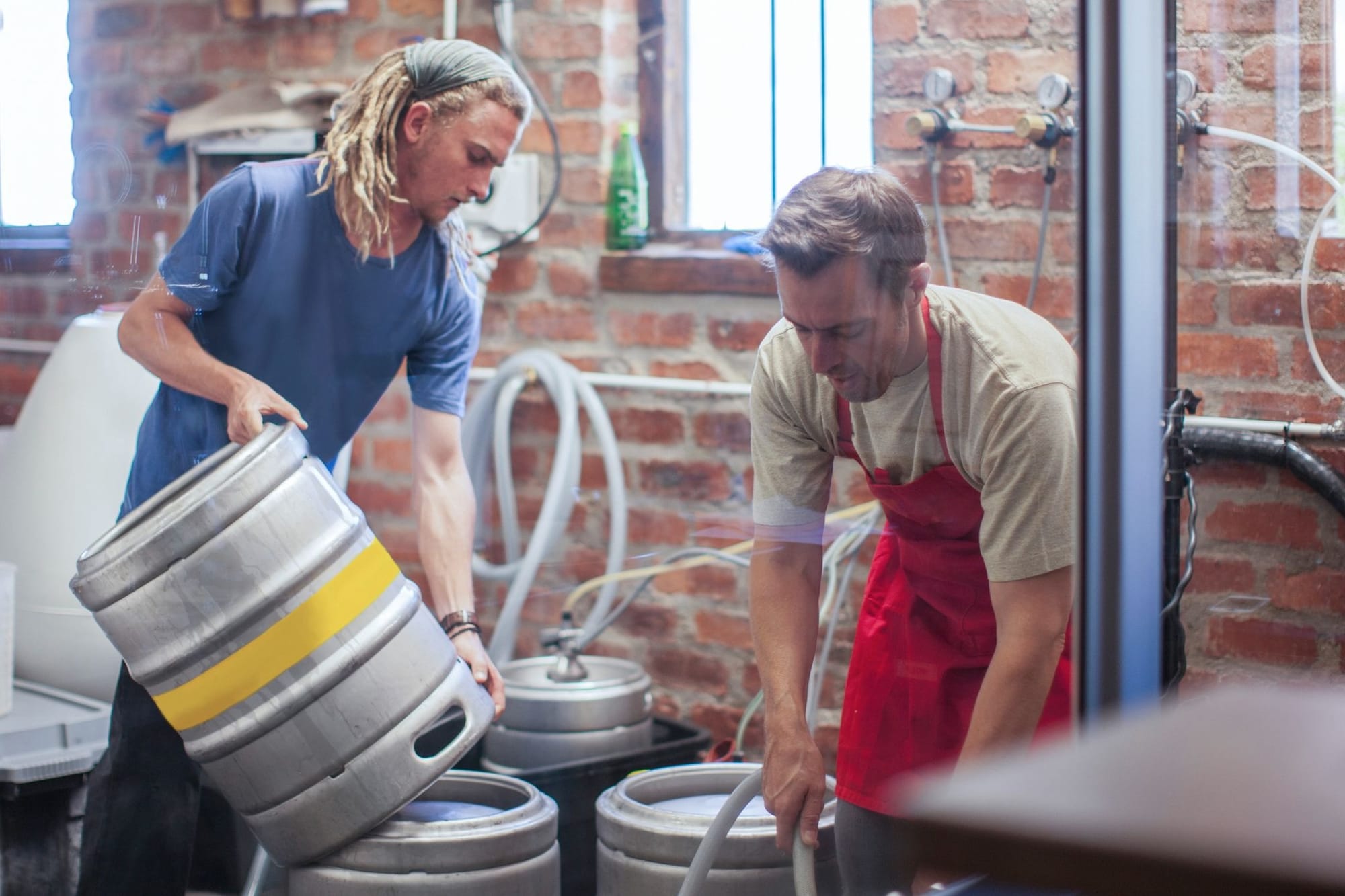
A beer in the backyard
Faced with shrinking buying power, more and more locals are doing something Aussies have always done well: having a crack at it themselves.
Home brewing in 2026 isn’t the bubbling cauldron of wild yeast and questionable hygiene many of us grew up watching an uncle attempt in the laundry. The hobby has matured into something close to a craft-brewery experience in miniature. Temperature-controlled fermenters, all-grain brewing systems, stainless-steel kegging setups and high-quality liquid yeasts have made it genuinely possible to produce a beer that stands up against most of what’s on a tap list.
The maths is hard to argue with. The bulk of what you pay for a commercial beer is excise, packaging, freight and retail margin, none of which apply when you’re brewing for yourself in the shed. Many homebrewers report producing a full 19-litre keg of full-strength beer for the cost of a single retail six-pack, with the only ongoing outlay being grain, hops and yeast.
The barrier to entry is lower than people assume, and the support is far better than it used to be. With home brewing supplies from Aussie Brewmakers, Warragul locals can pick up everything from a starter kit to advanced all-grain systems, plus the grain, hops and yeast needed for a more customised recipe.
Just as importantly, you get full control over what goes into the glass, strength, bitterness, ingredients, and even gluten content, which is something the supermarket aisle rarely offers.
It’s also a hobby that pays you back in more ways than just financial ones. You get to learn a new and ancient skill that is almost 13,000 years old, keeping your mind active and family and friends happy while they drink a couple of pints from your keg.
The bigger picture
The Federal Government’s draught freeze is a step in the right direction, and the lift in the small-producer excise remission cap from $350,000 to $400,000 from 1 July 2026 will help some of our independent brewers and pubs stay viable. But while packaged beer keeps catching the indexation lift every February and August, the price gap between drinking at home and drinking on tap will only widen.
For a lot of Warragul locals, the smart play isn’t to give up the good stuff, it’s to make it yourself. The schooner at the local still has its place. But the shed is starting to look pretty inviting.
- This content is provided by a third party


